
Whether you are a seasoned pro or just looking at your first fix-and-flip, understanding how mortgage rates move is essential for your bottom line. Most people think the Federal Reserve directly sets mortgage rates, but that’s a common misconception. In reality, mortgage rates are more closely tied to the 10-year Treasury yield. Think of the Treasury yield as the “benchmark” or the baseline cost of borrowing for the government. Because investors view mortgages as similar in risk and duration to these 10-year bonds, they typically demand a higher return on mortgages to account for the extra risk. When the yield on the 10-year Treasury goes up, mortgage rates almost always follow.
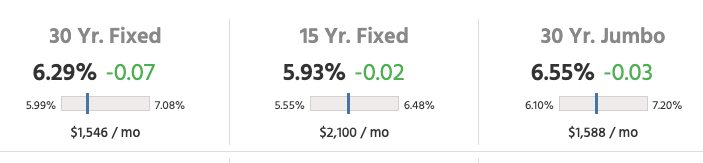
This connection exists because of something called the “spread.” Since a 30-year mortgage is riskier than a government bond (after all, the government is less likely to default than a homeowner), lenders add a markup to the Treasury yield. Historically, this spread stays between 2% and 2.5%. However, other factors like inflation and economic uncertainty can cause this spread to widen or shrink. If inflation is high, investors want higher rates to protect their purchasing power. Conversely, if the economy slows down, demand for safe bonds increases, which pushes yields down and typically brings mortgage rates lower as well.
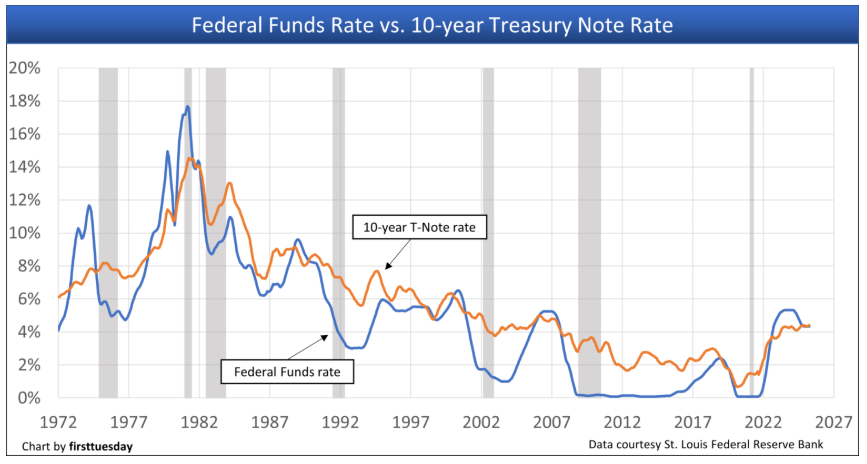
It is also important to remember that “the Fed” only controls short-term rates, while mortgage rates are influenced by the market’s long-term outlook. In 2026, we’ve seen how sensitive these rates are to global economic news and employment data. For real estate investors, watching the 10-year Treasury is like looking at a weather report; it tells you which way the wind is blowing before the storm actually hits your closing costs. By keeping an eye on these yields, you can better time your refinances or acquisitions.
At Jump Capital, we specialize in providing the flexible, fast-acting hard money lending solutions that investors need to thrive in any rate environment. We focus on the value of your deal and your experience, helping you bypass the red tape of traditional banks. To dive deeper into these strategies and network with other local pros, join us at the I-81 Real Estate Investor Meetup! Our next meeting is on Thursday, March 26, 2026, located at the Hilton Garden Inn in Martinsburg, WV. We look forward to seeing you